

Why Engineered Wood Flooring Is a Smart Choice for Your Home

Selecting the perfect flooring for your home can feel like a big decision. The debate between engineered wood flooring and solid hardwood is a common one, and it’s no wonder why. Both options have their merits, but lately, engineered wood flooring has been turning heads for some pretty compelling reasons. In this blog, we’ll dive into the advantages of choosing engineered wood flooring over solid hardwood and why it could be the best fit for your next home upgrade.

Enhanced Durability:

One of the standout perks of engineered wood flooring is its impressive durability. Engineered wood is crafted by layering thin sheets of wood together with adhesive, making it sturdier and less susceptible to issues like warping, shrinking or expanding due to changes in humidity and temperature. This stability ensures that your floors stay in great shape for many years, even in areas prone to moisture like bathrooms and kitchens.

Versatile Installation:

Engineered wood flooring offers a level of installation flexibility that solid hardwood simply can’t match. Thanks to its unique construction, it can be installed directly over concrete slabs and even on top of existing flooring materials. This not only saves time and money during installation but also opens up exciting possibilities for renovations in spaces where solid hardwood might not be an option.

Environmentally Friendly:

If you’re someone who cares about the environment, you’ll be pleased to know that engineered wood flooring is a more sustainable choice. By using a thin veneer of real wood on top of composite materials, it maximizes the use of available timber resources, reducing the strain on forests. Engineered wood also generates less waste during manufacturing compared to solid hardwood.

Budget-Friendly:

Engineered wood flooring often comes with a more wallet-friendly price tag than solid hardwood. While still offering the charm and beauty of real wood, it provides homeowners with a cost-effective alternative without compromising on quality.

Uniform Appearance:

Engineered wood flooring boasts a consistent appearance across each plank. Solid hardwood can sometimes display natural variations in wood grain, leading to noticeable differences in color and texture between boards. In contrast, engineered wood provides a uniform look throughout your flooring, creating a sleek and polished appearance.

Easy Maintenance:

Engineered wood flooring is designed for straightforward maintenance. Its smooth, sealed surface is less prone to staining and damage compared to solid hardwood, which often requires more extensive care and frequent refinishing to keep it looking its best.

While both engineered wood flooring and solid hardwood have their own merits, the advantages of engineered wood make it a fantastic choice for homeowners who value durability, versatility, sustainability, and affordability. If you’re planning a flooring upgrade, take a moment to consider the many benefits of engineered wood flooring—you might just find the perfect solution for your home.

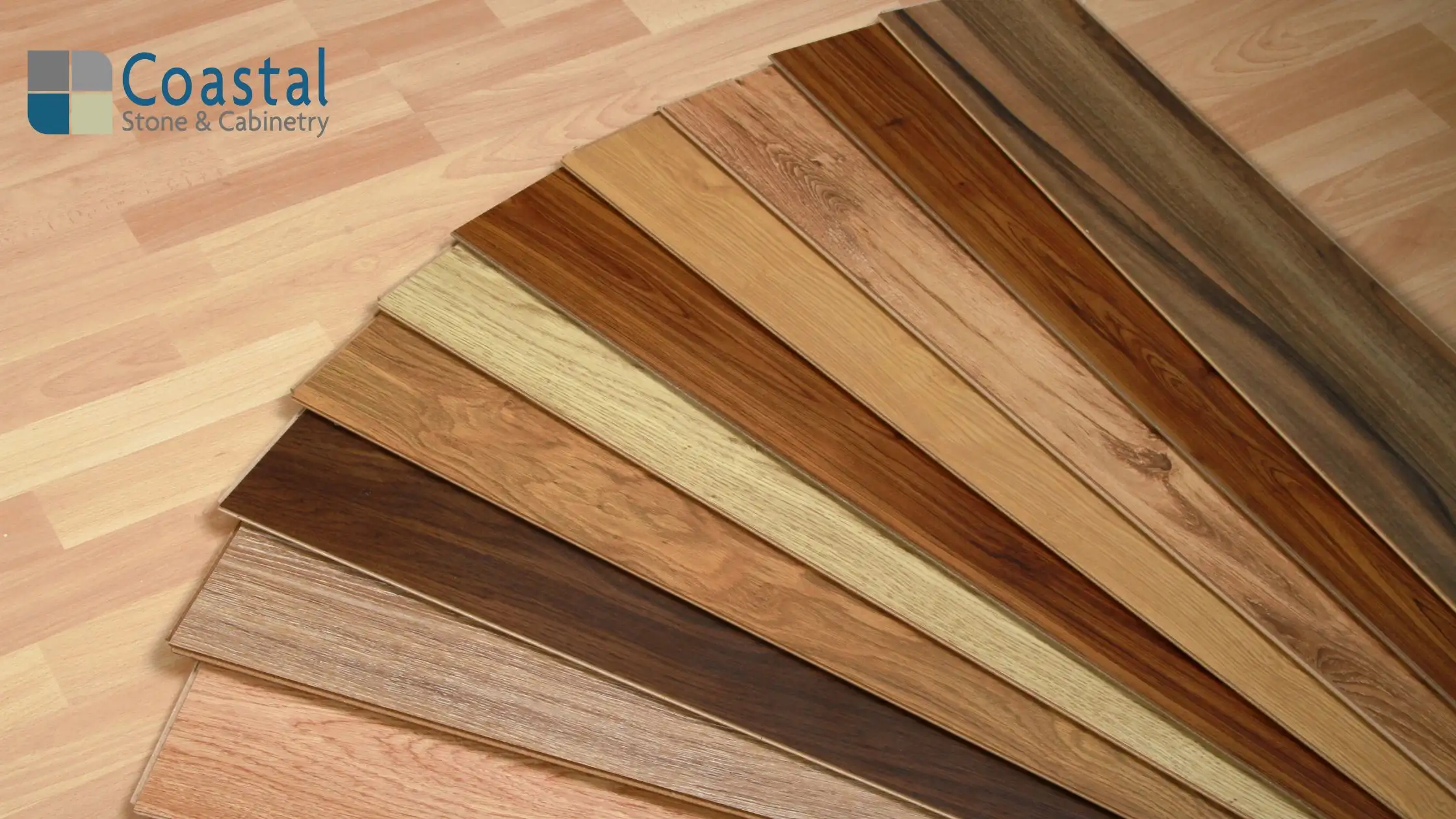
At Coastal Stone & Cabinetry, we offer a diverse range of engineered wood flooring options to cater to your style and preferences. Schedule a free consultation with us today to explore our collection and start enhancing your living spaces with the beauty and practicality of engineered wood floors. Your home deserves it!
Choosing The Right Flooring: Which Is Best For Your Home?

Choosing the right flooring for your home is a crucial decision that impacts not only the aesthetics but also the functionality and comfort of your living space. With a variety of options available, it can be overwhelming to determine which type of flooring best suits your needs. At Coastal Stone and Cabinetry, we are committed to helping you make informed decisions about your home’s flooring. In this blog, we will explore different types of flooring and help you decide which one is right for your home.

1. Hardwood Flooring

Pros:

Timeless Appeal: Hardwood flooring is renowned for its classic, timeless beauty that can elevate any room.

Durability: With proper care, hardwood floors can last for decades, adding long-term value to your home.

Variety: Available in a range of species, finishes and stains, hardwood can be customized to fit any décor style.

Cons:

Cost: Hardwood flooring tends to be more expensive than other options.

Maintenance: It requires regular maintenance, including refinishing every few years to keep it looking its best.

Susceptibility to Moisture: Hardwood is not ideal for areas prone to moisture, such as bathrooms or basements.

2. Laminate Flooring

Pros:

Affordability: Laminate is generally more budget-friendly compared to hardwood and other natural materials.

Easy Installation: Laminate flooring often features a click-and-lock design, making it easy for DIY installation.

Durability: It’s resistant to scratches, stains and fading, making it suitable for high-traffic areas.

Cons:

Moisture Sensitivity: Like hardwood, laminate is not suitable for areas with high moisture levels.

Feel and Sound: It can have a slightly hollow feel and sound compared to solid wood.

3. Vinyl Flooring

Pros:

Water-Resistant: Vinyl flooring is highly resistant to moisture, making it ideal for kitchens, bathrooms and basements.

Variety: Available in a wide range of styles, including designs that mimic wood, stone and tile.

Comfort: It’s softer underfoot than tile or hardwood and provides a bit of cushioning.

Cons:

Durability: While durable, it’s not as long-lasting as hardwood or tile and can be prone to dents and scratches.

Environmental Concerns: Some vinyl products may contain chemicals that are less eco-friendly.

4. Tile Flooring

Pros:

Durability: Tile is one of the most durable flooring options available, resistant to scratches, stains and water.

Versatility: Available in various materials, including ceramic, porcelain and natural stone, tile offers endless design possibilities.

Low Maintenance: It’s easy to clean and maintain, making it ideal for kitchens and bathrooms.

Cons:

Cold and Hard: Tile can be cold and hard underfoot, which may not be comfortable for prolonged standing.

Installation: Installing tile can be labor-intensive and often requires professional expertise.

5. Carpet Flooring

Pros:

Comfort: Carpet provides a soft, warm surface that’s ideal for bedrooms and living areas.

Variety: Available in numerous colors, textures and patterns, carpet can complement any design style.

Insulation: It offers excellent sound and thermal insulation, creating a cozy atmosphere.

Cons:

Maintenance: Carpet requires regular vacuuming and occasional deep cleaning to maintain its appearance.

Allergens: It can trap allergens like dust and pet dander, which may be a concern for those with allergies.

Choosing The Right Flooring With Coastal Stone & Cabinetry

Choosing the right flooring for your home involves considering various factors, including your budget, lifestyle and personal preferences. Whether you prefer the timeless elegance of hardwood, the affordability of laminate, the versatility of vinyl, the durability of tile or the comfort of carpet, Coastal Stone and Cabinetry has a wide range of options to suit your needs. Visit Coastal Stone and Cabinetry today to explore our extensive selection and find the perfect flooring for your home. Our team of experts is here to guide you every step of the way, ensuring that you make the best choice for your living space.